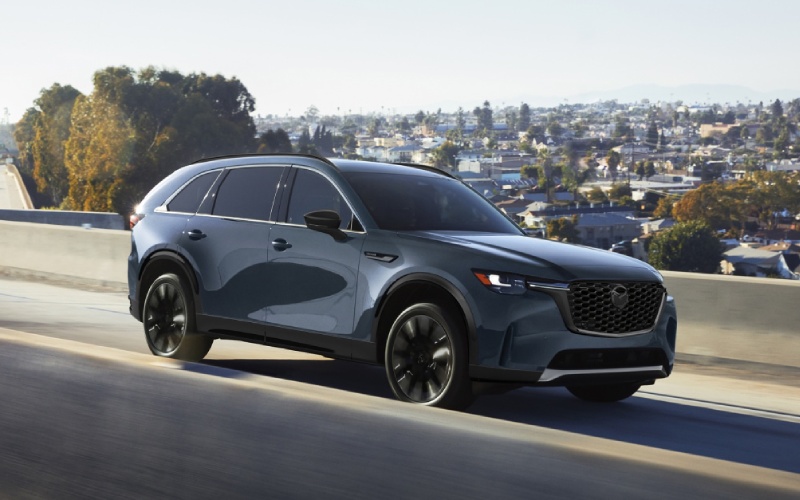
Roger Beasley Mazda Group - Which 3-row SUV feels more composed and engaging for daily driving around Austin, TX—2026 Mazda CX-90 or Toyota Grand Highlander?
When you compare three-row SUVs for real-world driving in and around Austin, TX, one question surfaces quickly: which model feels calmer and more confident in traffic while staying genuinely enjoyable on open roads? The Mazda CX-90 and Toyota Grand Highlander both deliver space and practicality, yet their driving personalities part ways. Mazda leans into balanced dynamics and premium chassis tuning, while Toyota focuses on sheer room and a wide powertrain menu. That makes the answer less about spec sheets and more about how each SUV responds to the city’s quick merges, tight parking decks, and weekend routes that wind west toward Lake Travis.
The foundation sets the tone. The CX-90 rides on Mazda’s large-architecture platform with a longitudinal powertrain layout and standard i-Activ AWD®. That rear-biased feel comes through in everyday maneuvers, from a smooth arc into your freeway on-ramp to a settled, flat attitude in a long, fast sweeper on 183. Kinematic Posture Control subtly applies targeted braking to help reduce body lift in corners, so the vehicle stays poised without resorting to overly stiff suspension tuning. Toyota’s Grand Highlander is confident and comfortable, and with available AWD it offers good traction. But its front-drive-based architecture simply can’t mirror the same natural, balanced rotation that the Mazda delivers when you ask more from the chassis.
Powertrains that match the rhythm of Austin
Mazda’s available e-SKYACTIV®-G 3.3L Inline 6 Turbo emphasizes smooth, effortless torque that’s ideal for short on-ramps and quick lane changes in Austin traffic. Paired with an 8-speed automatic, it delivers a refined note under acceleration without hunting for gears. The CX-90 Plug-In Hybrid adds the bonus of all-electric capability for short trips to the store or your favorite taco stop, then blends seamlessly with the gas engine for longer drives. Toyota offers strong choices too—gas, hybrid, and Hybrid MAX—so you can tailor for efficiency or power. Still, the Mazda stands out by feeling calm yet ready, with a linear response that makes it easy to place the vehicle precisely, even when downtown gets congested.
Towing and weekend plans? Properly equipped versions of both models can tow up to 5,000 lbs, but Mazda’s rear-biased architecture and available Towing mode in Mi-Drive help the CX-90 feel especially steady with a trailer in tow. That assurance matters on two-lane Hill Country stretches where crosswinds can stir less-settled vehicles. Toyota’s systems are effective, but the Mazda’s core layout is tailor-made for balanced load dynamics.
Technology that reduces stress, not just adds features
In the city, visibility and intuitive tech matter as much as horsepower. The CX-90’s available 360° View Monitor with See-through View gives an enhanced look at the space ahead and beside you—perfect for tight spots on South Congress or when parallel parking near 2nd Street. Toyota’s Panoramic View Monitor is helpful too, yet Mazda’s See-through capability adds confidence where curbs, columns, and crosswalk edges would usually hide. Inside, an available Bose® premium audio system elevates the calm, while Mazda Connected Services and smartphone integration keep the logistics of modern life simple and predictable. Toyota counters with Toyota Safety Sense 3.0 and a smart infotainment setup, delivering a solid digital experience. If your goal is to reduce daily stress, both succeed—Mazda just adds a layer of polish to the driver’s interaction with the machine.
Comfort is another area where Mazda has clear intent. Available Nappa leather-trimmed seating, tasteful trim choices, and simple, tactile controls give the CX-90 a boutique feel. It’s not just plush; it’s cohesive. Toyota’s Grand Highlander shines with family-friendly touches and abundant storage solutions, but if you’re drawn to a cabin that feels thoughtfully crafted and quiet at speed, the Mazda makes a compelling case.
What daily drivers in Austin ask most often
We hear variations of the same question day after day: will the SUV I choose feel settled and easy to drive in traffic, yet engaging and smooth on the weekends? When you calibrate for Austin’s reality—rush-hour corridors, frequent construction zones, and endless neighborhood errands—the CX-90’s balanced chassis, standard i-Activ AWD®, and polished powertrains often win over shoppers who thought they wanted “just an SUV.” Grand Highlander fans typically love its cargo numbers and smart packaging, and it remains a strong contender for sheer volume and flexibility. But if you prioritize composure and connection, Mazda’s approach delivers a difference you can feel on the first test drive.
- Chassis character: Rear-biased AWD dynamics and Kinematic Posture Control help the CX-90 feel planted and precise in everyday turns.
- Driver-centric tech: The 360° View Monitor with See-through View reduces guesswork in tight city spaces.
- Premium comfort: Available Nappa leather, panoramic moonroof, and Bose® audio make longer drives feel shorter.
Space and seating flexibility still matter, of course. Both SUVs seat up to eight with available captain’s chairs for a seven-passenger configuration. Mazda designs its second- and third-row access to be simple and straightforward, and the cabin stays notably quiet on coarser pavement. Toyota brings a standout cargo figure when you fold seats flat, while Mazda’s cargo area is thoughtfully shaped for strollers, sports gear, and the weekly Costco run. Your choice may come down to what you perceive as “enough space” vs. “the right feel.”
How to choose between these two for Austin life
- Test the handling loop: Find a route with quick merges, a few sweepers, and a tight parking scenario—notice steering, body control, and visibility aids.
- Match the powertrain to your routine: Short commutes and frequent errands? Consider the CX-90 Plug-In Hybrid. Longer highway drives? Sample Mazda’s Inline 6 Turbo.
- Feel the cabin at speed: Drive both above 50 mph and focus on ride quality, noise isolation, and how natural the controls feel.
Ultimately, both SUVs serve families well, but Mazda puts an exclamation point on the drive itself. For commuters and weekend adventurers who want comfort without giving up engagement, that’s decisive. The team at Roger Beasley Mazda Group understands those priorities and can help you compare trims, powertrains, and features to build the right fit for your day-to-day reality.
Frequently Asked Questions:
Does the Mazda CX-90 have standard AWD?
Yes. Every CX-90 includes i-Activ AWD® as standard, which proactively monitors traction and helps deliver confident, rear-biased dynamics in everyday driving.
Is there a plug-in hybrid version of the CX-90?
Yes. The CX-90 Plug-In Hybrid offers all-electric driving capability for short trips and blends with the gas engine for longer journeys, ideal for mixed Austin driving.
Which has better third-row space?
Toyota Grand Highlander emphasizes maximum cargo and third-row room, while Mazda focuses on premium materials and a quieter, more refined ride. If top-tier cargo volume is your priority, Toyota has the edge; for overall cabin sophistication and poise, Mazda leads.
How do the visibility systems compare?
Both offer surround-view tech, but Mazda’s 360° View Monitor with See-through View provides an enhanced look around the vehicle in tight spaces, which can be especially helpful downtown.
Are both good for Hill Country trips?
Yes. Properly equipped, each can tow up to 5,000 lbs. Mazda’s rear-biased layout and available Towing mode provide especially steady trailer control on rolling terrain.
For those near Georgetown, Leander, and Austin with family schedules that never slow down, the CX-90’s blend of control, comfort, and confidence checks the most boxes. Schedule time to drive both back to back, and trust what you feel through the wheel—balance and composure are where Mazda shines.